
1 What is the difference between Comp, Pro and Platinum?
The levels of our bikes differ in terms of quality and production.
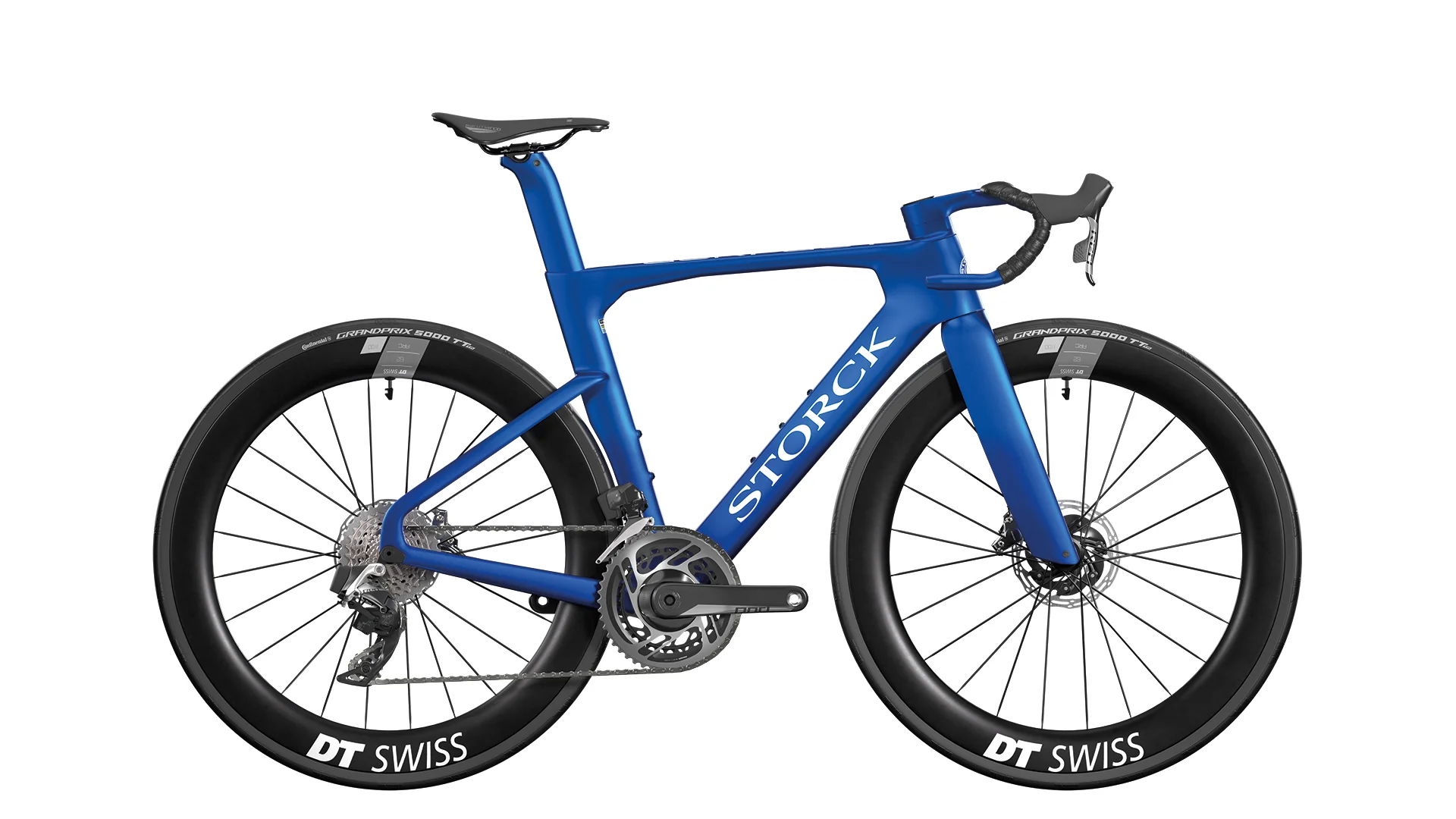
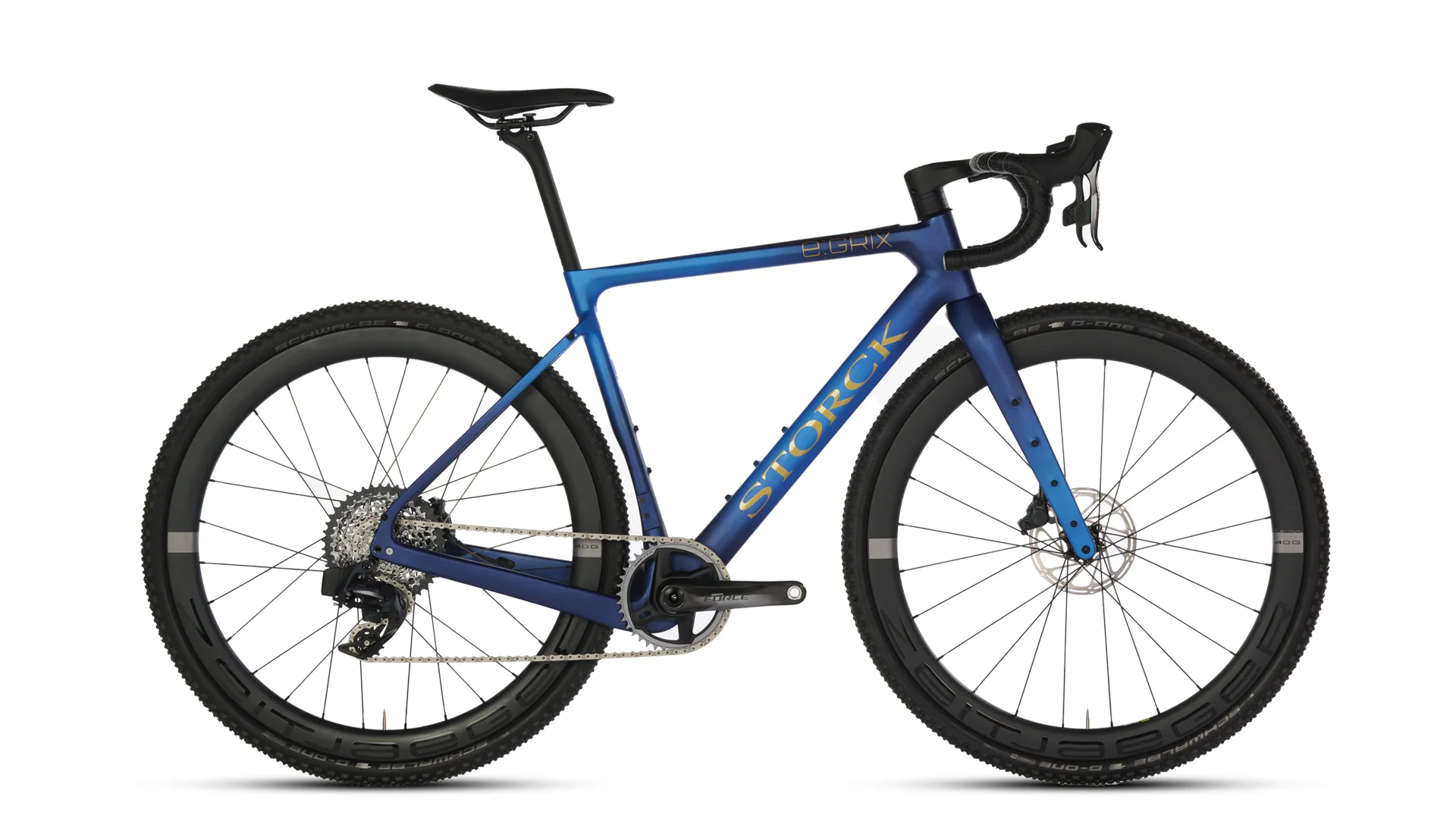
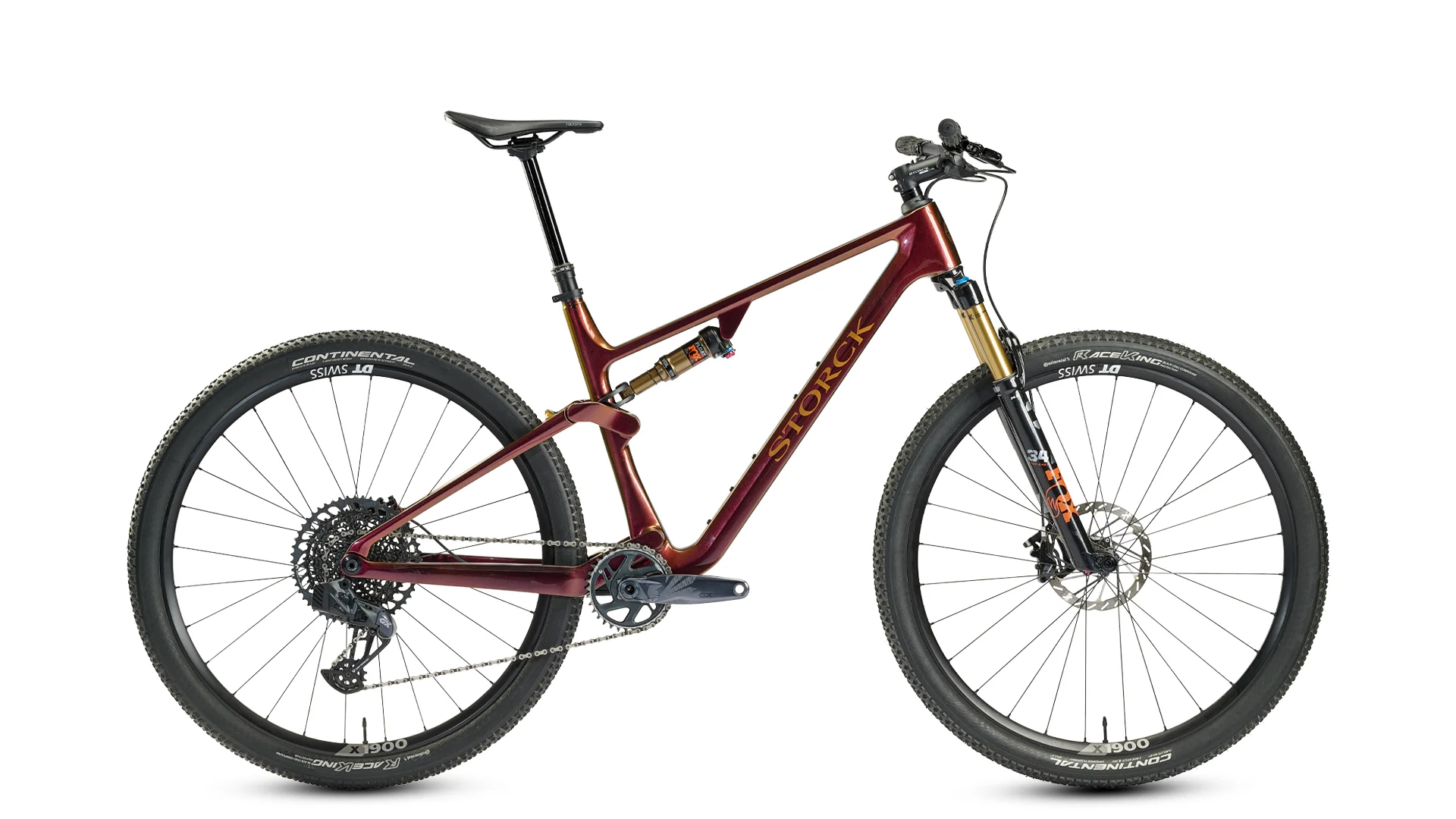
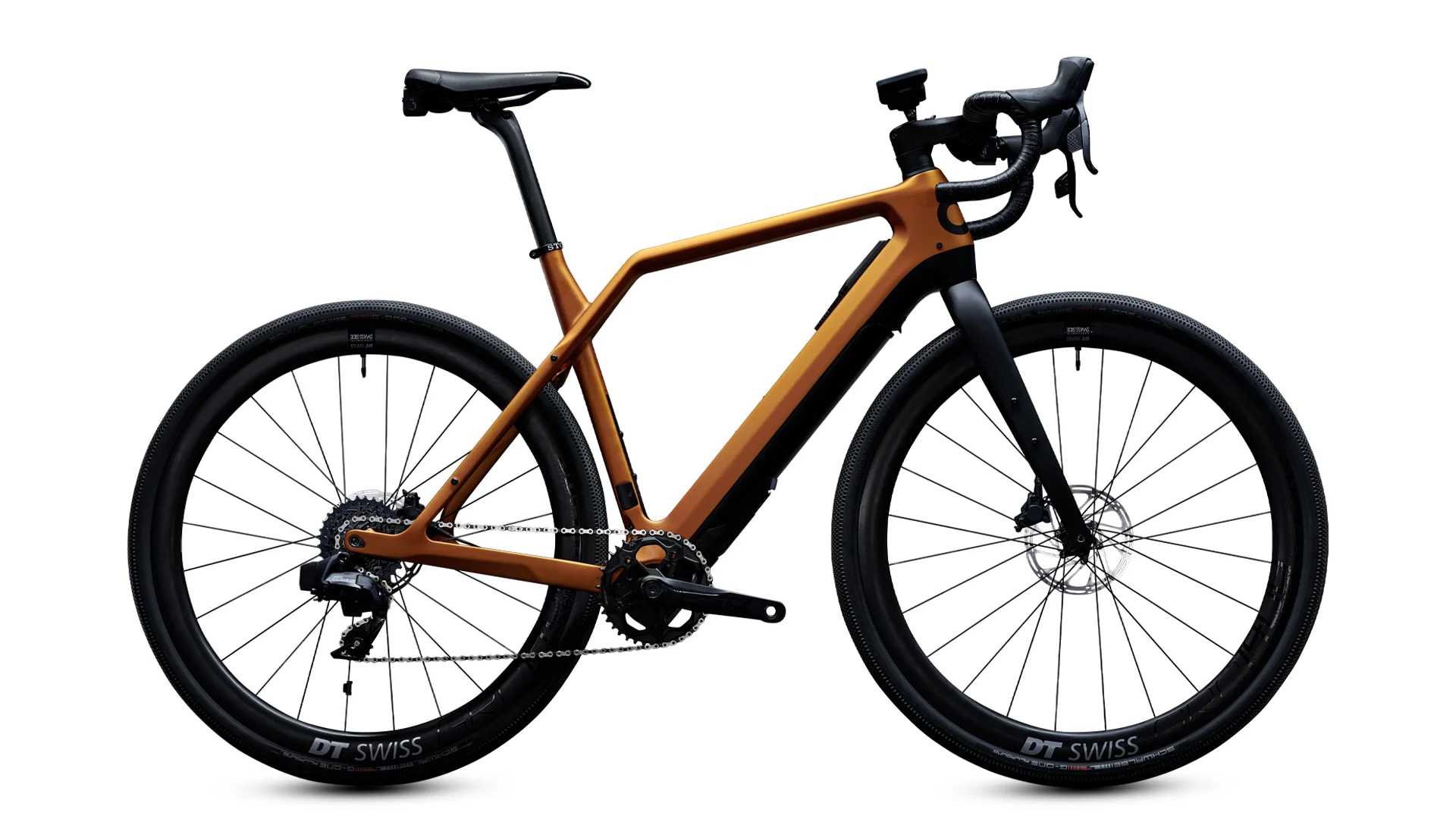
The Comp line offers you carbon frames with a good price-performance ratio at test winner level and is accessible to every cyclist
. The Pro line offers you the best of both worlds. High-quality, special paintwork, an even higher-quality carbon finish and super equipment. Less resin is used in the carbon fibre, which makes the carbon frame higher quality and lighter than the Comp line.
The exclusive Platinum line goes one better. It means high-end (and) lightweight construction. It is manufactured using only the highest quality carbon fibres and fitted with outstanding components. These are our TOP models. A very low resin content is used in this carbon fibre, which makes the carbon frame lighter. In addition, our Platinum models are characterised by a minimalist and elegant glaze (paint finish) to further reduce weight.
The carbon fibres in our Pro and Platinum frames are each manufactured with a higher tensile strength and dual resin process. This allows us to produce lighter frames with slightly higher stiffness.
2. how do I get a bike that is immediately available without having to wait a long time?
In our sale you will always find reduced exhibition bikes, which you can get within a very short time.
3. what sizes do you offer?
This varies from model to model. Basically, we make everything for body sizes from approx. 150 cm (Aerfast) to 205 cm (Aernario XXL). You can find a detailed geometry table for each model on the respective product pages.
4 What do I do if I am between two frame sizes?
If you are between two frame sizes, the following applies: For a more agile, sporty or "race" riding behaviour, choose the smaller frame size. For a smoother, touring-orientated ride, choose the larger frame size. Feel free to visit one of our stores for a test ride to make sure which frame size suits you best. It is best to enquire in advance at the respective store which sizes are available.
5. How do I know what the right riding position is for me?
Touring position: You are travelling on a road bike. It's not so much the speed that matters to you, but rather the distance. The touring position is generally more upright and therefore more comfortable. Touring and long-distance road bikes are designed for long distances. Here it is particularly important that your neck does not hurt after just one hour. Road bikes with long-distance geometry therefore usually have a shorter top tube in relation to the seat tube, paired with a longer head tube.
Sporty position: The sporty riding position lies between the touring and racing position. You sit in a slightly stretched position typical of a road bike, but not too extreme. Road bikes that allow this position usually have similarly long seat and top tubes and a moderate head tube length.
Race position: Do you also ride races and don't want to waste a second because of a too upright riding position and suboptimal aerodynamics? Then a road bike with a longer top tube and relatively short head tube is the right choice for you. The long top tube and short head tube result in a stretched, bent and aerodynamically optimised riding position.
6. How can I understand the geometry data and how does it help me?
ST - Seat tube lengthThe
seat tube length roughly corresponds to the frame size. The value is measured from the centre of the bottom bracket axle to the upper edge of the seat tube.
TT - Top tube length
The most important value of a bike, because it allows you to roughly estimate the riding position and therefore the comfort. The top tube is measured in the imaginary horizontal line from the centre of the top edge of the head tube to the centre of the seat tube and not along the actual tube.
HT - Headtube - Head tube length
On comfort bikes, it is usually slightly longer than on race bikes. The forces acting on the head tube during steering also play a role. The design of the front section has a major influence on the aerodynamic properties. In addition, the centre of gravity is also placed on the top tube, especially on carbon frames. In addition to reducing the forces acting on the bike, this also results in a less sluggish feeling for the rider.
CS - Chain stay length
The chain stay length is important for handling. Short stays make the bike manoeuvrable, agile and easy to turn. Long stays ensure a smoother ride.
stack
The stack (vertically measured distance from the centre of the bottom bracket to the centre of the upper edge of the head tube) provides information about the height of the front of a bike - regardless of the tyres or stem. If the stack is too large, not enough pressure can be applied to the front wheel and the front is too high.
ReachThe
reach characterises the length of a bike independent of the seat angle. The reach is the distance measured horizontally from the centre of the bottom bracket to the centre of the head tube. A long reach means a stretched position when riding downhill in a standing position, a short reach means a more upright position.
ST° - seat angle
The seat angle influences the riding position and especially the power transfer uphill. If the seat angle is too slack, the rider sits tail-heavy and struggles unnecessarily uphill, or the bike rears up earlier. The seat angle depends heavily on the bike category.
HT° - Steering angleThe
steering angle has a decisive influence on the steering behaviour of a bike. The steeper, the more manoeuvrable (negative: less stable), the slacker, the smoother (negative: more sluggish) and more forgiving
.stem
lengthDoes not directly
belong
to the geometry, but is nevertheless important: it has an enormous influence on the riding position and steering behaviour of a bike. It can be used to achieve a more stretched or compact (and relaxed) riding position beyond the length of the top tube.
7. How can I determine the right frame size for me?
If this is your first road bike, gravel/mountain/e-bike, take a look at our recommendations in our size chart. Thanks to our many years of experience, we recommend a suitable frame height for every body size. If you are still unsure, please contact us! We will be happy to advise you!
If you already have a bike and feel comfortable on it, it will serve as an ideal comparison. For this we need the "stack" and "reach" of your bike. You can determine this either online or yourself. All you need is a folding rule and a bit of maths. To measure the stack, stand your bike up straight. First measure the distance between the floor and the top edge of the centre of the head tube. (A) (Fig. 1 left). Then measure the distance from the ground to the centre of the bottom bracket (B) (Fig. 2 right). Subtract these values (A-B). The result is the STACK:

To measure the reach, stand your bike upright with the rear wheel against a wall. First measure the distance from the wall to the top edge of the centre of the head tube. (value A) (Fig. 4 right). Then measure the distance from the wall to the centre of the bottom bracket (value B). Subtract these values (A-B). Then you have your REACH.
Wall - centre of bottom bracket // Wall - top edge of centre of head tube

If you are sitting well on your current bike, you can compare the stack and reach with our data. The bike/frame size that most closely matches your current bike would be suitable for you. You can fine-tune the stem length and handlebar height. The saddle position, different handlebars or the different humps of the shift brake levers can also influence the position.
Of course, we will be happy to help you here too!
8. Which groupsets do you offer?
We offer a wide range of the most popular cycling groupsets as standard.
These include Shimano with the 105, Ultegra (Di2) and Dura Ace (Di2) GRX (Di2) Cues Di2, XT or GX Eagle.
At SRAM, we install the Rival D1 (eTap AXS), Force D1 (eTap AXS) (Wide) or the Red D1/E1 (eTap AXS) and
for our 60th Signature Edition, we also install a limited special edition of the Campagnolo Wireless Super Record.
9. Can I ride my STORCK on a roller trainer?
When using STORCK bikes on roller trainers, the loads on the dropouts and on the rear triangle do not correspond to the actual application and have a particular effect when pedalling. For this reason, STORCK does not officially approve the use of STORCK bikes on roller trainers, as there is currently no official test procedure for this application. The use of STORCK BIKES on roller trainers is possible without guarantee, but is at your own risk. STORCK accepts no guarantee or liability for damage resulting from the use of the bikes on a roller trainer.
10. How do I set up my bike with disc brakes?
YouTube video "How to install disc brake wheels on Storck bikes"
In this video we show you how to set up your bike with disc brakes. This video applies to any Storck bike with disc brakes. These include the Fascenario.3 (Comp/ Pro), the Aerfast3 (Comp/ Pro/ 25th), Aerfast.4 (Comp/Pro/Platinum), Aerfast.5 (Team/Pro), Grix (Pro/ Platinum/ 25th), Grix.2 (Comp/Pro/Platinum), Aero3, Urban CTS, name:2, e:drenalin.2, e:drenic.2, e:rebel. (Differences are possible)
GRIX: Please note when removing the thru axle: When removing the axle, hold the nut in the frame with a second hand so that it does not get lost. When installing the axle, make sure that the nut is flush with the groove. Whenscrewing in the axle , secure itin position with the second hand. It is also important to ensure that the nut is seated straight to prevent damage to the thread and paint.
11. what is the permissible total weight/system weight* on your bikes?
*The permissible total or system weight refers to the total weight acting on the bike. This refers to the rider in full gear and all parts attached to the bike, such as the saddlebag and bottles in the bottle cage.
The permissible total weight of our bikes usually depends on the respective wheels and the material used. The maximum system weight for carbon wheels is lower than for aluminium wheels. With the standard aluminium wheels, our bikes can be loaded with 120 kg.
Our wheel partner DT Swiss provides precise information on this for all wheels
An
example of our standard road bike wheels:
P1800: 120 kg max. load. System weight
ARC1400: 110 kg max. system weight
ARC1100: 110 kg max. system weight
All Zeitjaeger wheels: 110 kg max. system weight
12. how can I change the handlebar height?
You can work with so-called spacers to set the optimum seating position for you.
Standard for the Aerfast models and the Aernario.3: 4 cm spacer height (adjustable in 0.5 cm increments)
Standard for all other models: 3 cm spacer height (adjustable in 0.5 cm increments)
If you have any requests that differ from the standard, please enter them in the comments field when ordering
13. What tyre width can I ride?
The distance to the chainstay, sometimes the distance to the seat tube or to the brake (especially with rim brakes) are decisive for the possible tyre width. A minimum distance to these points is determined during the production and development of the frame. This results in our official possible tyre widths. You can find the details in the following table.
Is your bike missing from this list, or do you need more information? Then contact our service team by email atstore-idstein@storck-bikes.com
Road bike, triathlon, gravel:
- Aero2: 23 mm
- Aero3: 25 mm
- Aerfast G2: 25 mm
- Aerfast.3: 28 mm
- Aerfast.4: 28 mm
- Aerfast.5: 30 mm
- Aernario G1: 25 mm
- Aernario.2: 25 mm
- Aernario.3: 32 mm
- Durnario: 28 mm
- Fascenario.3 rim brake: 25 mm
- Fascenario.3 disc brake: 28 mm
- Fascenario.4: 28 mm
- Fascenario.5: 35 mm
- Fascenario.X: 44 mm (28")
- Grix: 40 mm (28"), 54 mm (27.5")
- Grix.2: 44 mm (28"), 50 mm (27.5")
- Grix.3: 44 mm (28"), 50 mm (27,5")
- TIX Carbon: 37 mm
- TIX Aluminium: 47 mm
MTB, E-MTB, E-Road, Urban:
- Adrenic: 60 mm (27.5")
- Adrenalin.2:
- Rebel Seven: 60 mm (27.5")
- Rebel.4:
- e:drenalin: 71 mm (27.5"), 58 mm (29")
- e:drenalin.2/e:drenic.2: 61 mm (29"), 66 mm (29")
- e:nario: 50 mm
- e:nario AE: 32 mm
- e:rebel: 71 mm
- name:2: 55 mm
- Cyklaer models: 45 mm (28"), 54 mm (27,5")
- Urban CTS: 60 mm
14. What torque do I need for?
| Grix | Aerfast3 | Fascenario.3 | Aernario.2 | |
| Stem fork shaft | 3.5 NM (RBSU 4.5 NM) | 3.5 NM (RBSU 4.5 NM) | 3.5 NM (RBSU 4.5 NM) | 3.5 NM (RBSU 4.5 NM) |
| Stem-handlebars | 3.5 NM | 3.5 NM | 3.5 NM | 3.5 NM |
| Seat post | 6 NM | 6 NM | 6 NM | 6 NM |
| saddle | 7 NM | 7 NM | 7 NM | 7 NM |
Disclaimer
All work that you carry out on your bike is at your own risk. In case of doubt, you should bring/send your bike to STORCK. STORCK accepts no responsibility or liability for the contents of this FAQ.