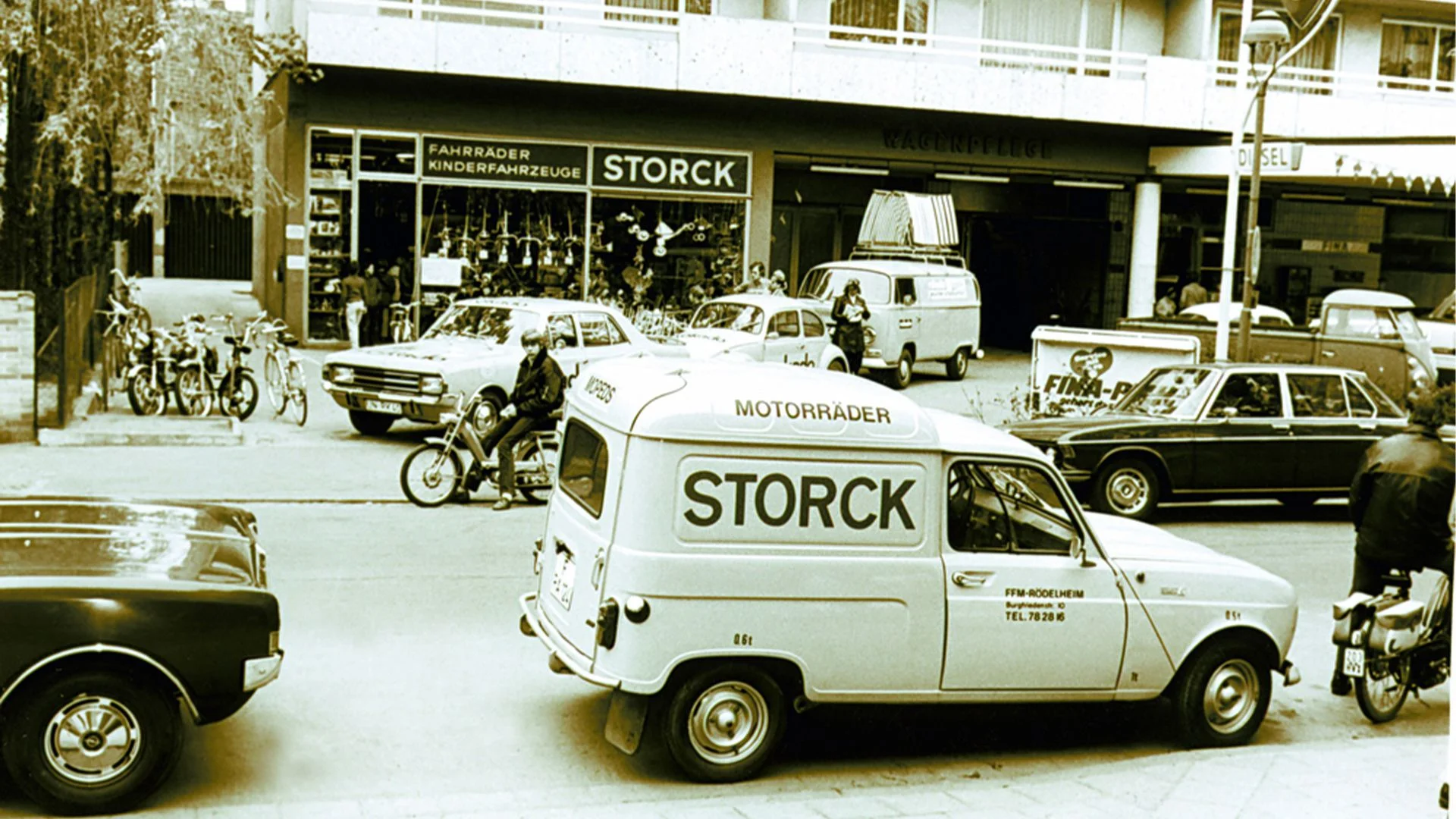
1969
The family bicycle shop in Frankfurt-Rödelheim
The story begins in the Storck family bicycle shop in Frankfurt-Rödelheim. Günter Storck shapes the origins from which the brand's technical and sporting direction later grows.
We clarify model, size, equipment, availability and the right next step.
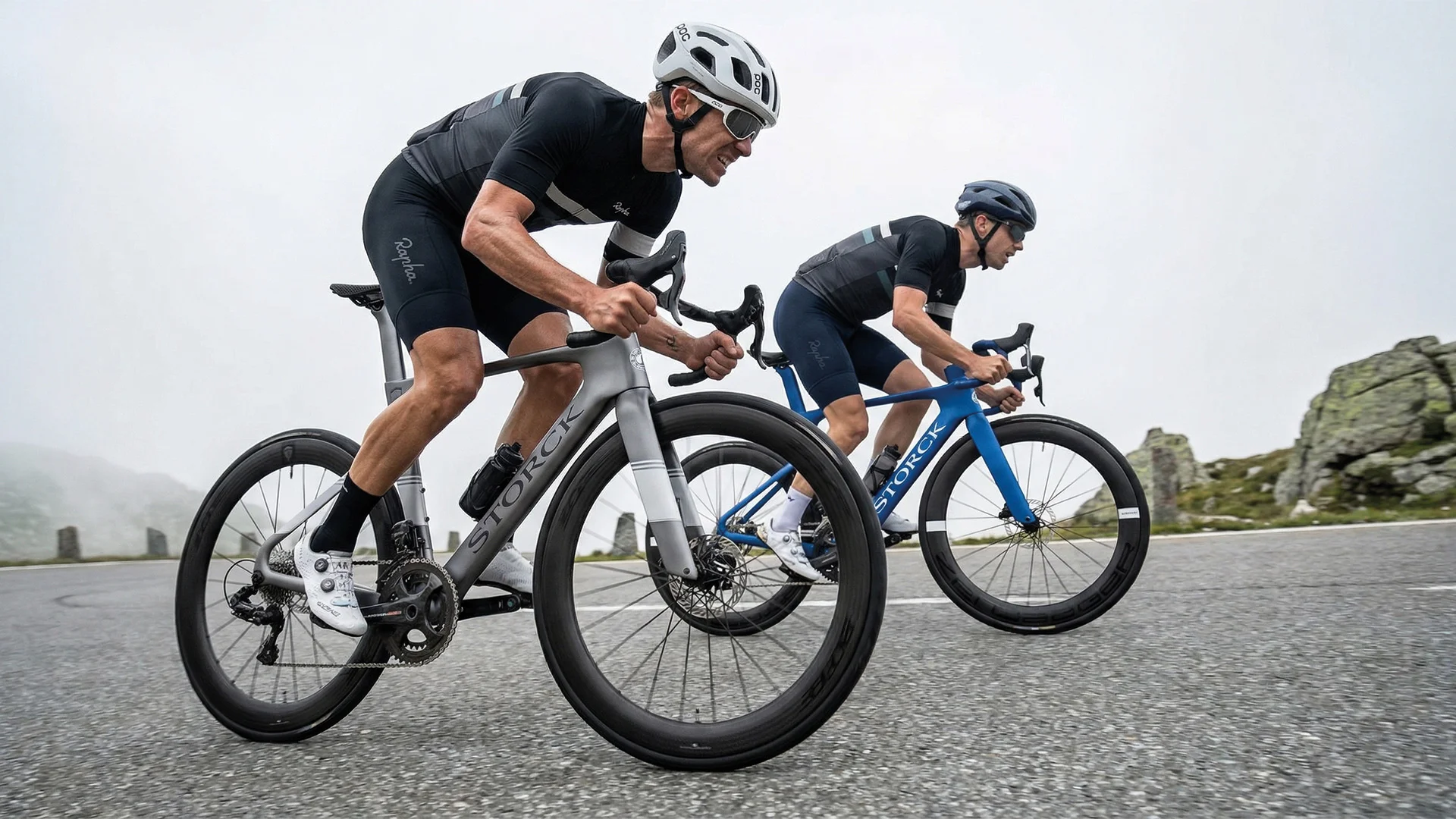
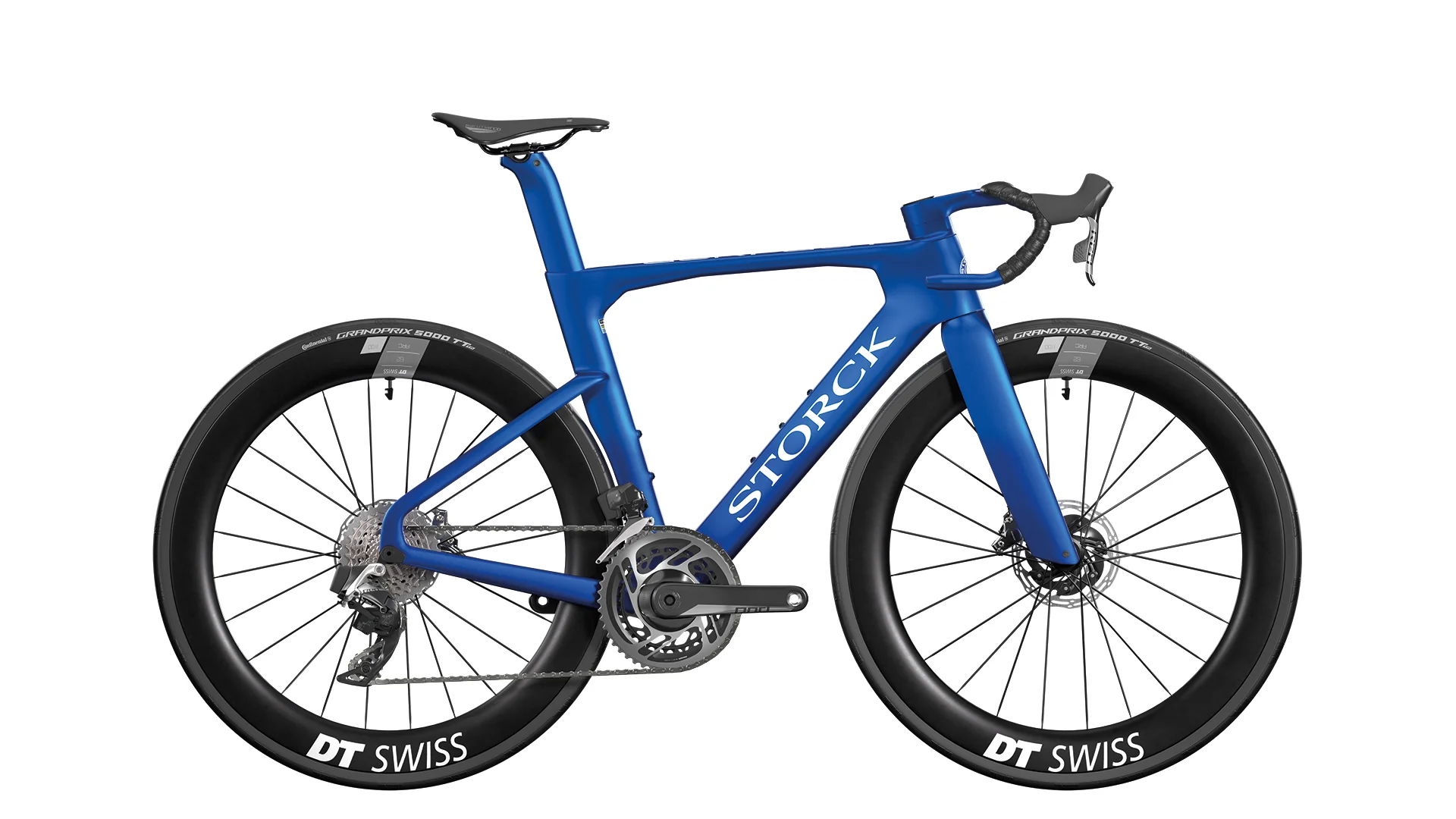
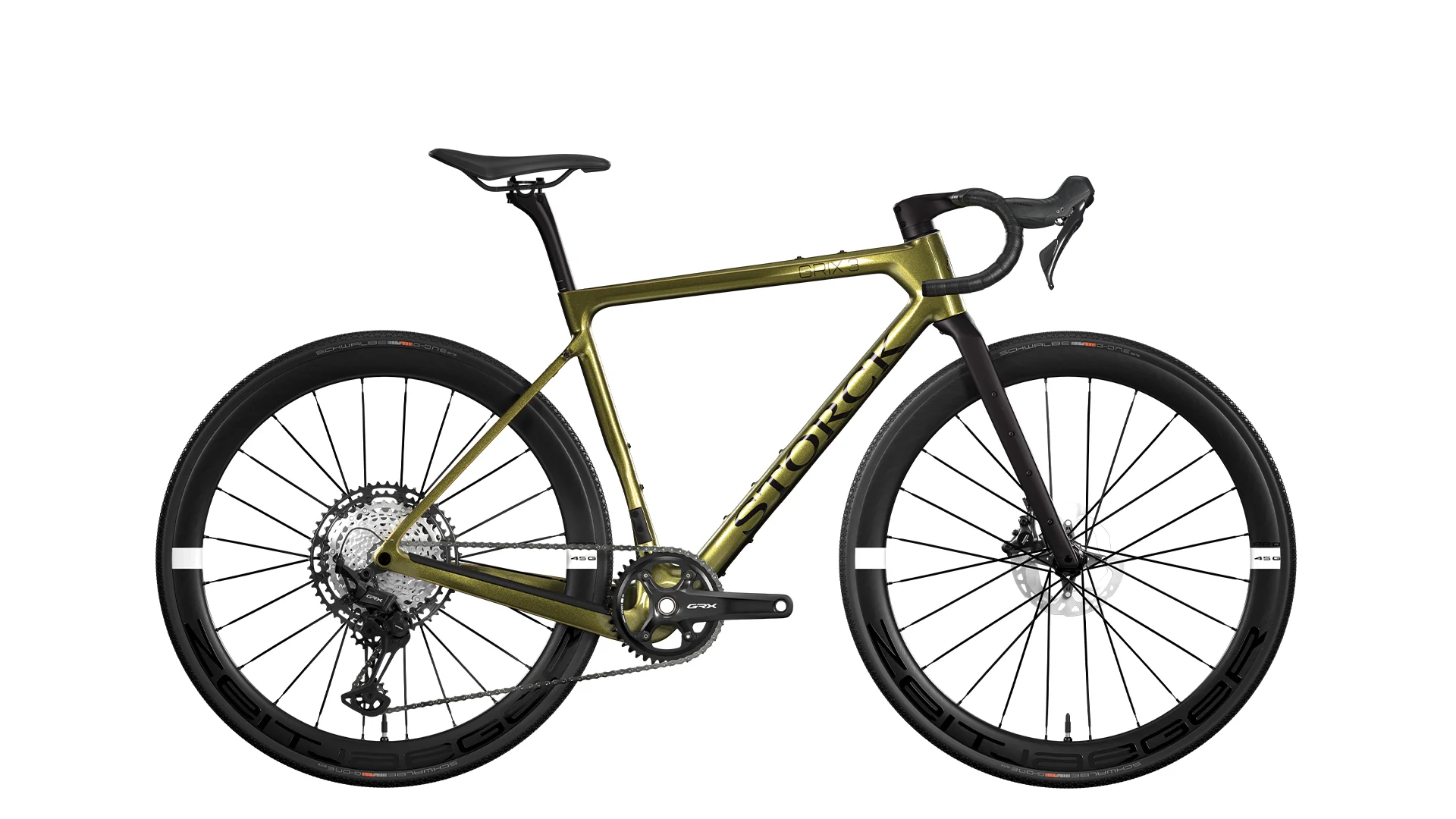
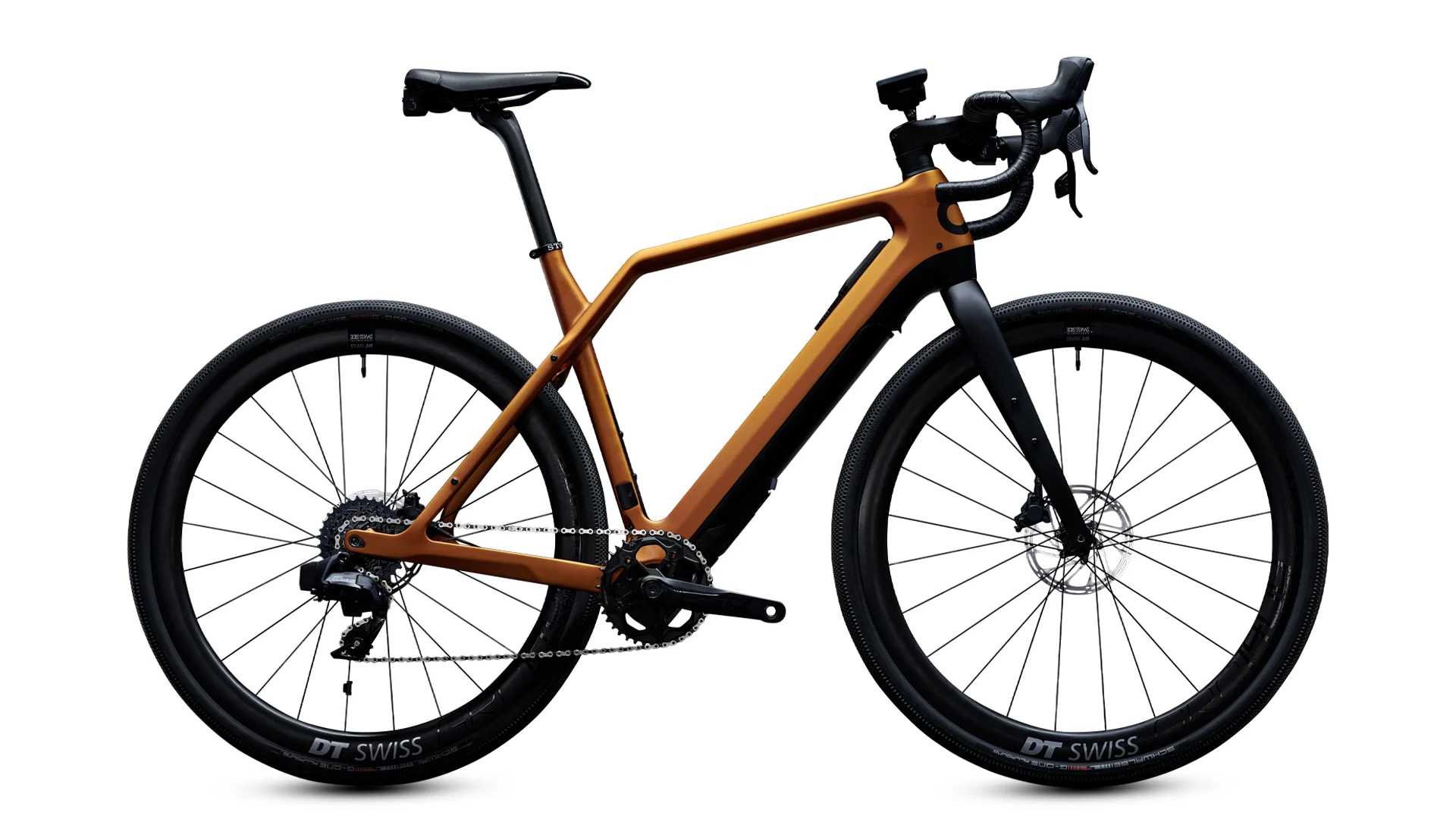
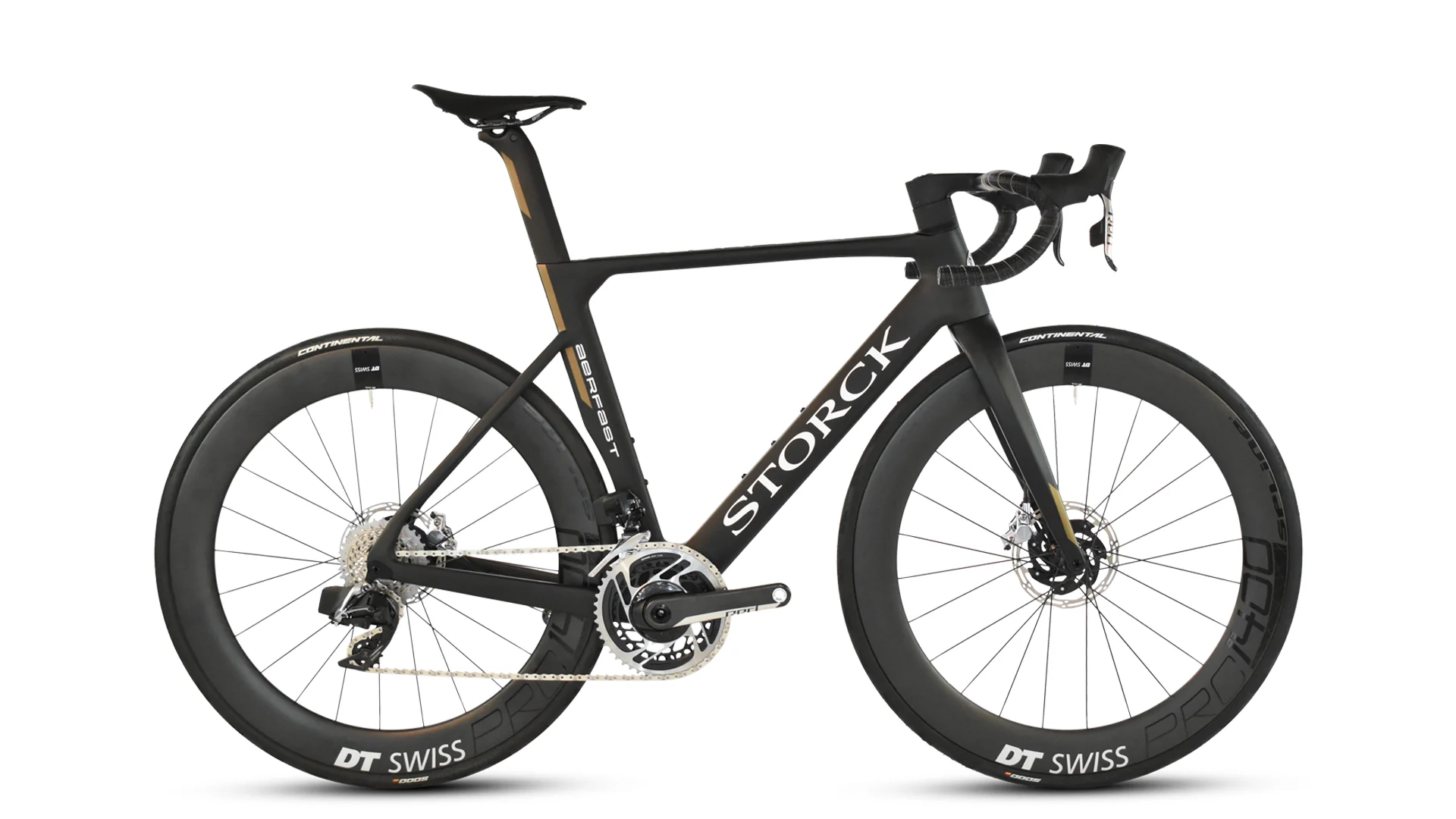
Storck history begins in the family bicycle shop, leads through steel frames, aluminium parts and Bike-tech components, and reaches today's most modern carbon frames as well as, according to TOUR testing, the fastest road bike in the world.
Milestones
1969
The story begins in the Storck family bicycle shop in Frankfurt-Rödelheim. Günter Storck shapes the origins from which the brand's technical and sporting direction later grows.
1986
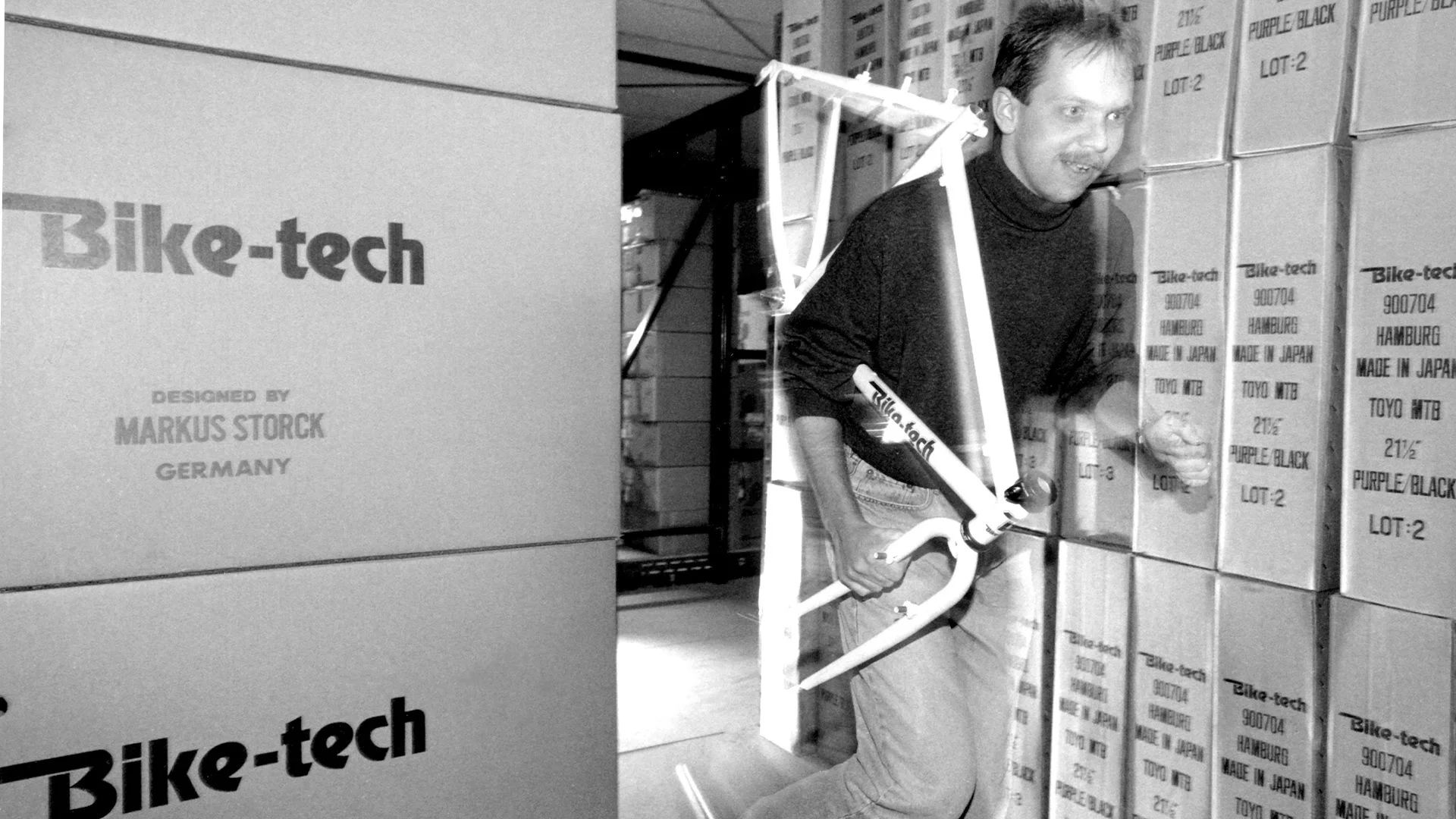
Bike-tech marks the start of Storck's own steel bikes, manufactured in Japan. Cycling remains the starting point, but technical development increasingly moves to the centre.
1993
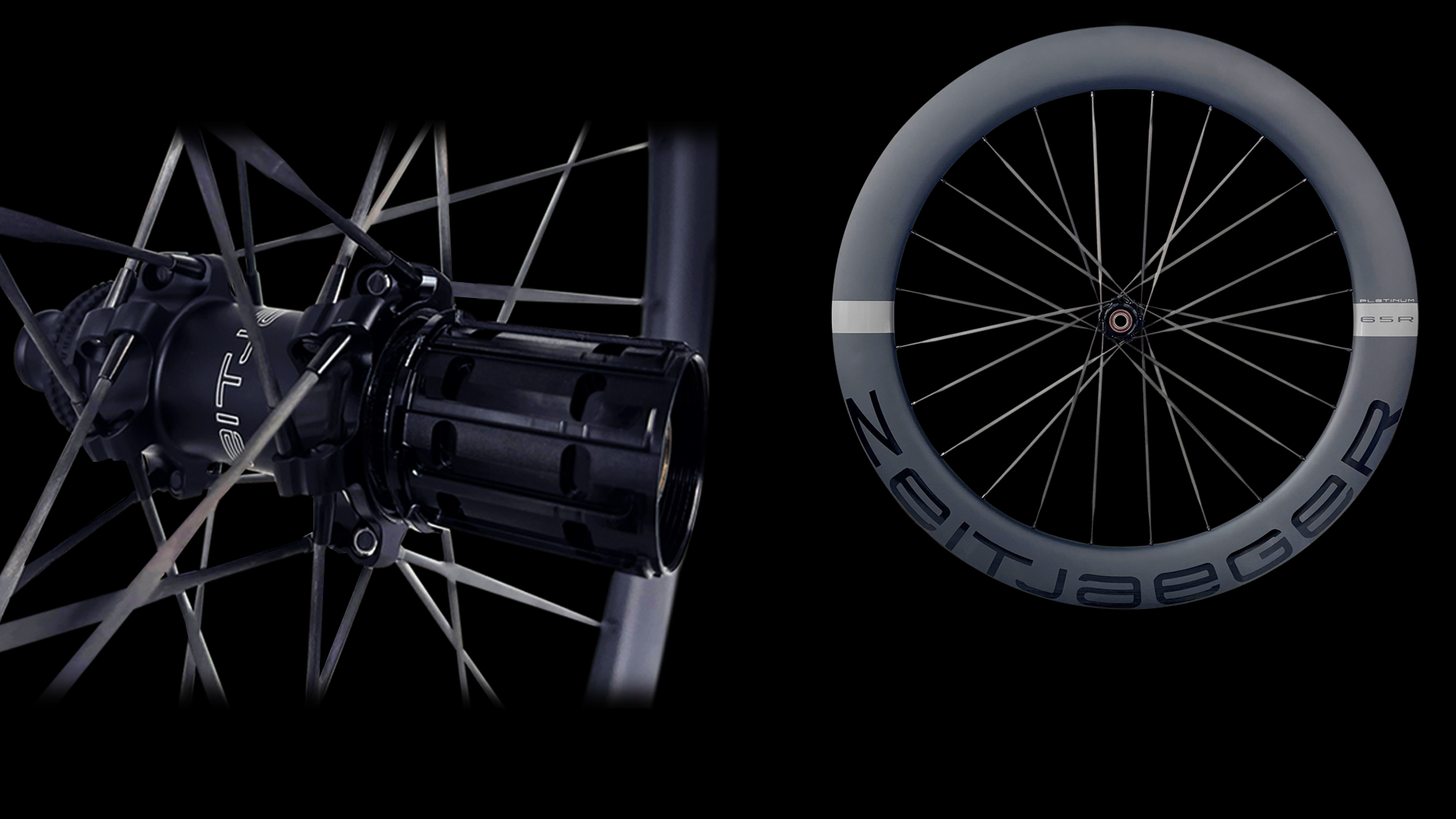
Alongside bikes, Bike-tech also developed defining components: the Power Arms carbon crank from 1993 and lightweight aluminium parts showed early on the ambition to consistently advance weight, stiffness and function.
1995
To further develop Storck as a brand, Storck Bicycle is established as an independent bicycle brand with a clear premium and performance claim. In the same period, the first Stiletto full-carbon fork sets an early marker for carbon expertise.
1996
The Olympic context of Atlanta 1996 shows how closely Storck was connected early on with international cycling and performance-oriented development. Bart Brentjens represents this sporting stage and the ambition to make technology visible in competition.
1997
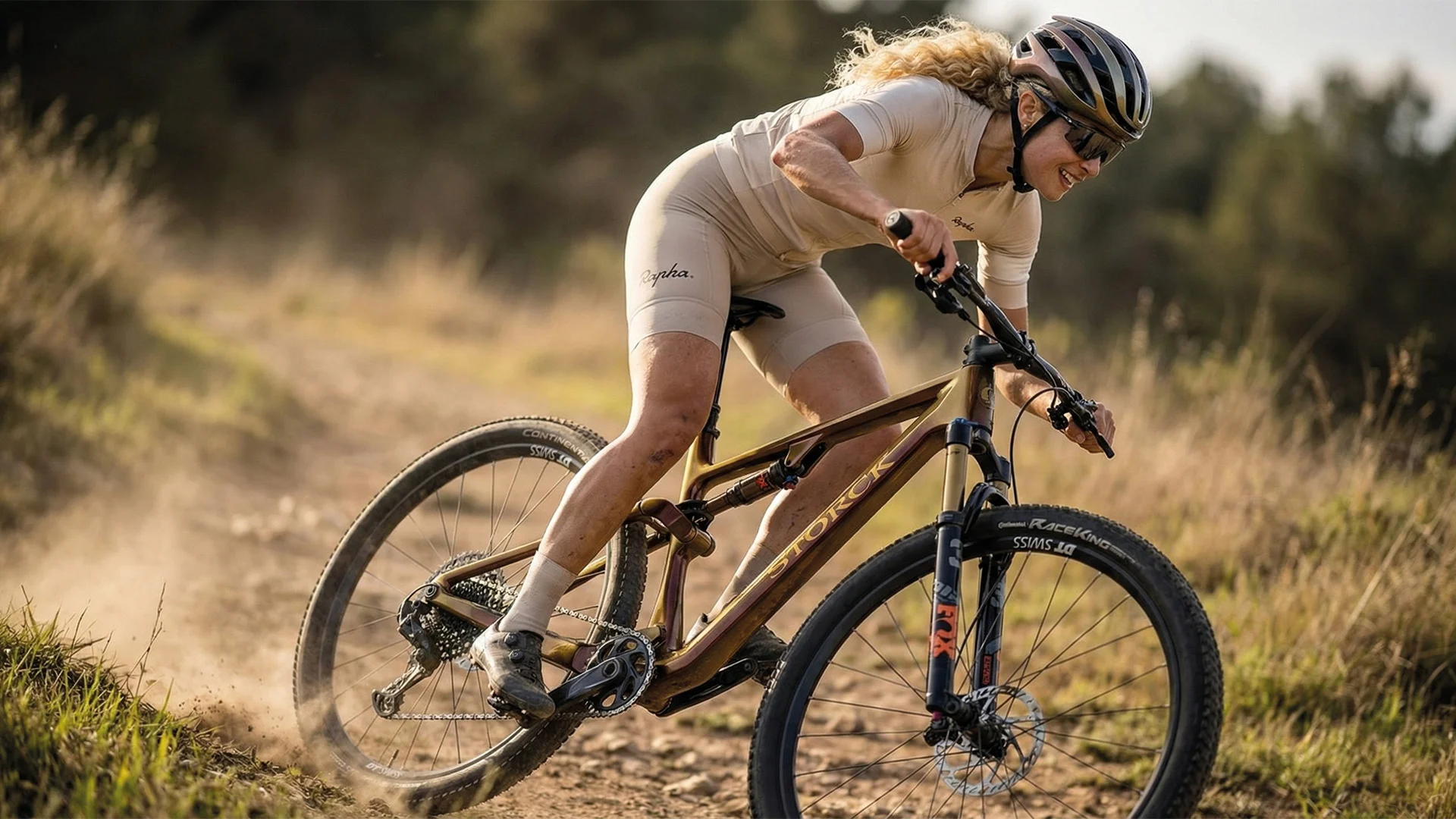
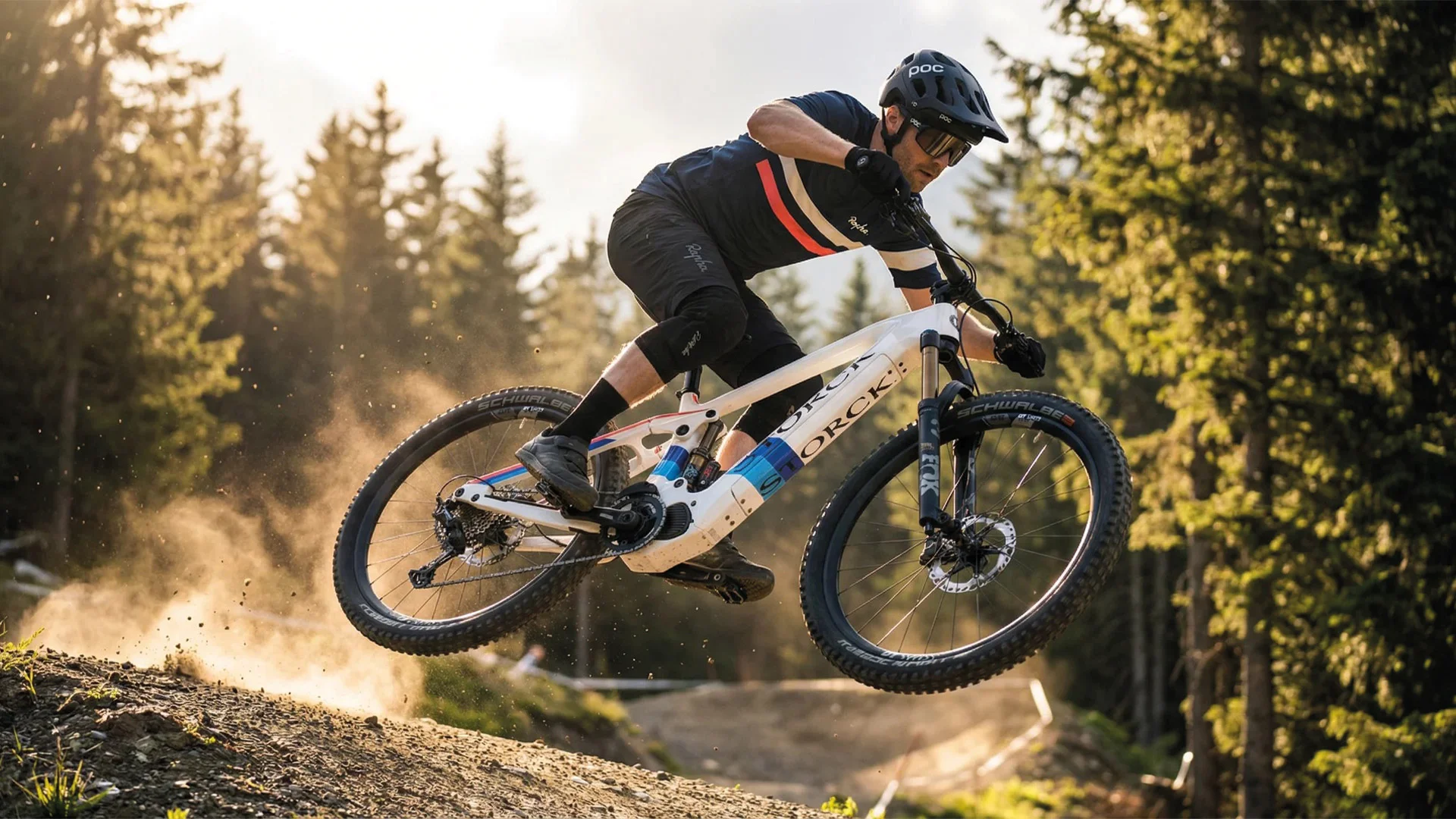
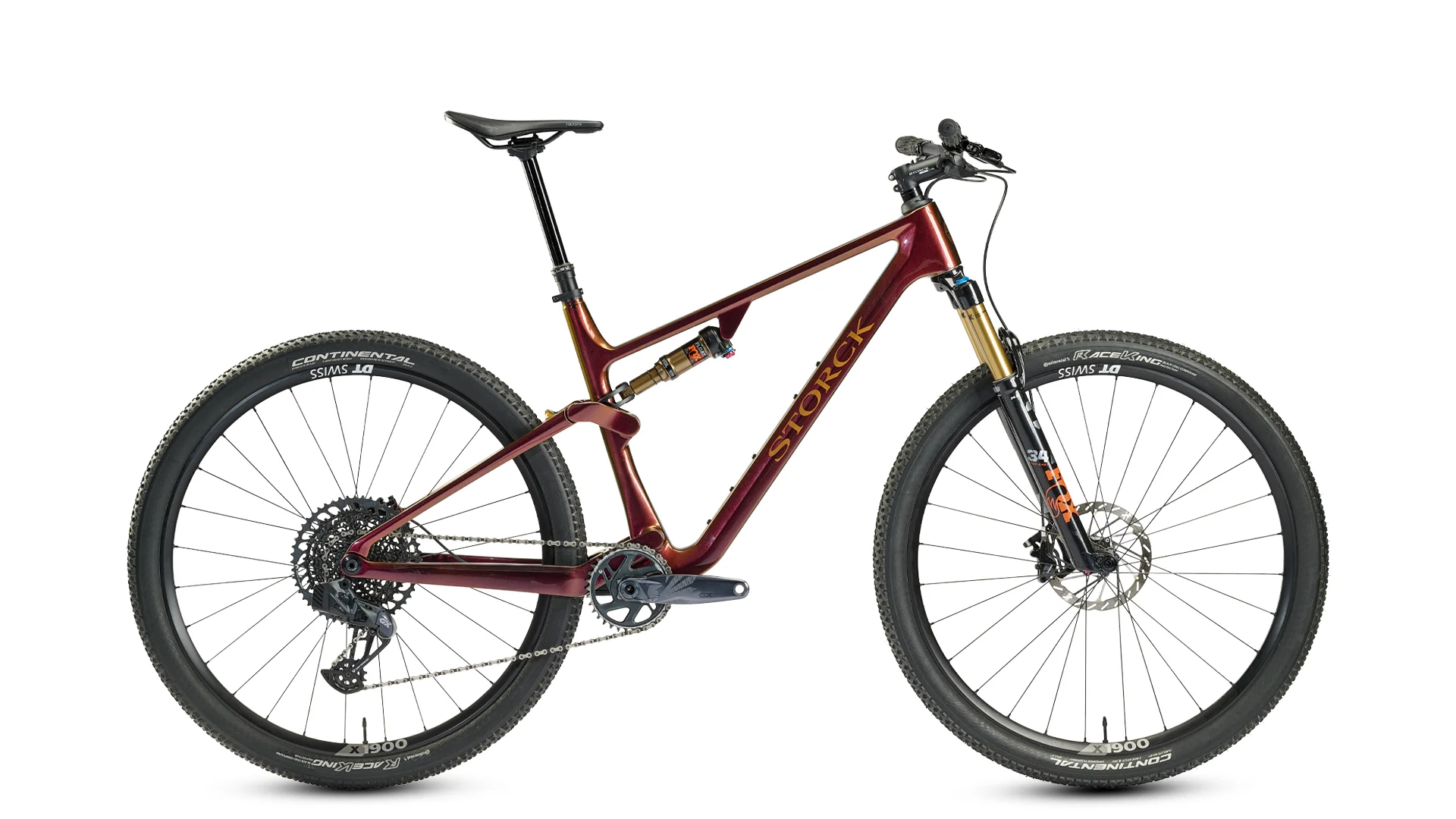
The Adrenalin full-suspension mountain bike receives an award and makes it clear that technology and design are considered together at Storck.
2005
Read more
More pages classify history, technology, people and anniversary models.
Discover more
Road Performance
Carbon Gravel
Offroad
Support
Components